The energy crisis is driving up world metal prices.
The price of copper was late this week nearing a 10-year high, while industrial metals from zinc to aluminium rallied amid growing concerns that the global energy situation will affect production, reports the Financial Times.
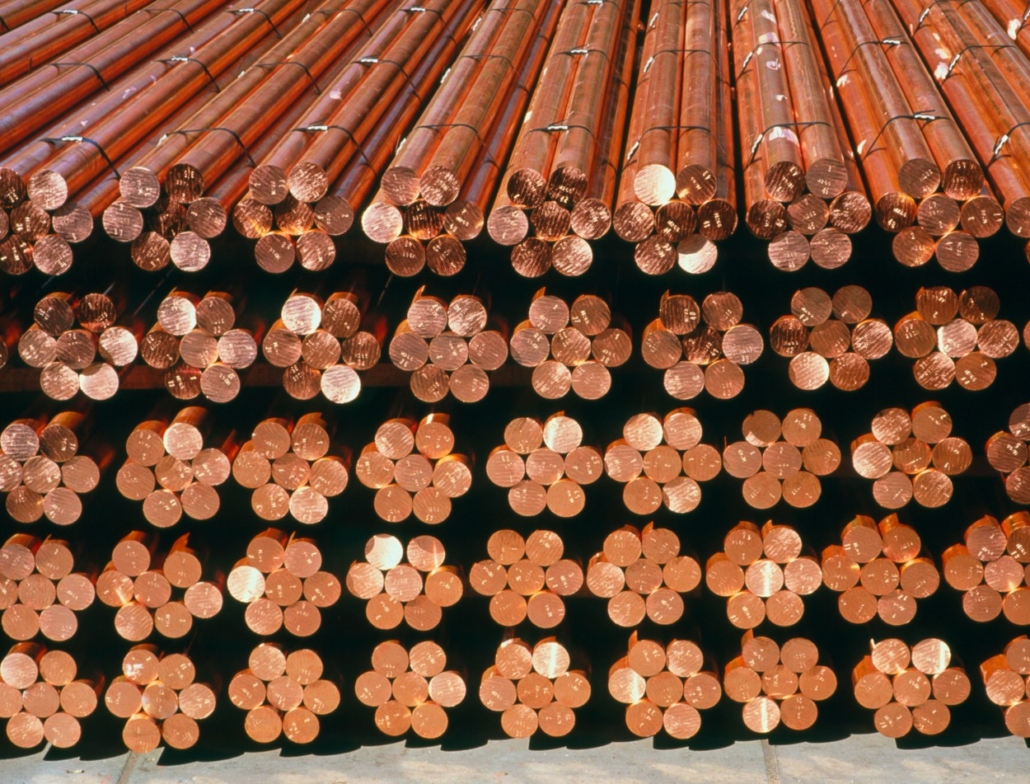
The price of copper surpassed $10,000 a tonne this week as traders gathered in London for LME Week, the metals industry’s annual event, and zinc rose as much as 10% to a near 15-year high. Aluminum traded at levels not seen since the 2008 financial crisis.
Industrial metals are benefiting from robust demand and supply disruptions from rapidly rising gas and coal prices, driving up costs for mines and smelters from Chile to China.
Nyrstar, one of the world’s largest zinc producers, said this week it will cut production by up to 50% at its three European smelters, while Glencore said on Friday it was «adjusting production to reduce exposure to peak price periods» at its smelters in Europe. Power outages in China have also affected aluminium production.
Such supply shortages outweigh concerns about global economic growth or a potential rise in interest rates, analysts said.
«Investors have jumped into metals based on expectations that production cuts driven by rising energy prices will offset the potential drop in demand if sentiment changes when interest rates rise,» said John Browning, an analyst at BANDS Financial in Shanghai.
Physical copper stocks on the London Metal Exchange fell this week to their lowest level since 1974, according to Kingdom Futures,because of strong demand. Goldman Sachs said in a recent report that metal stocks could reach a historic low by the end of the year and «will be fully depleted» by the second quarter of next year.
Copper stocks in LME-registered warehouses stand at just 14,150 tonnes, down from more than 200,000 tonnes in September. About 25 million tonnes of copper are consumed annually.
The CRU estimates that by the 2030s, copper use in wind turbines, electric vehicles and other «green» technologies will reach 6 million tonnes, representing 20% of global consumption.
Demand for copper is expected to grow by 2 to 3% in the next year, creating a shortfall of 6 million tonnes by the end of this decade.